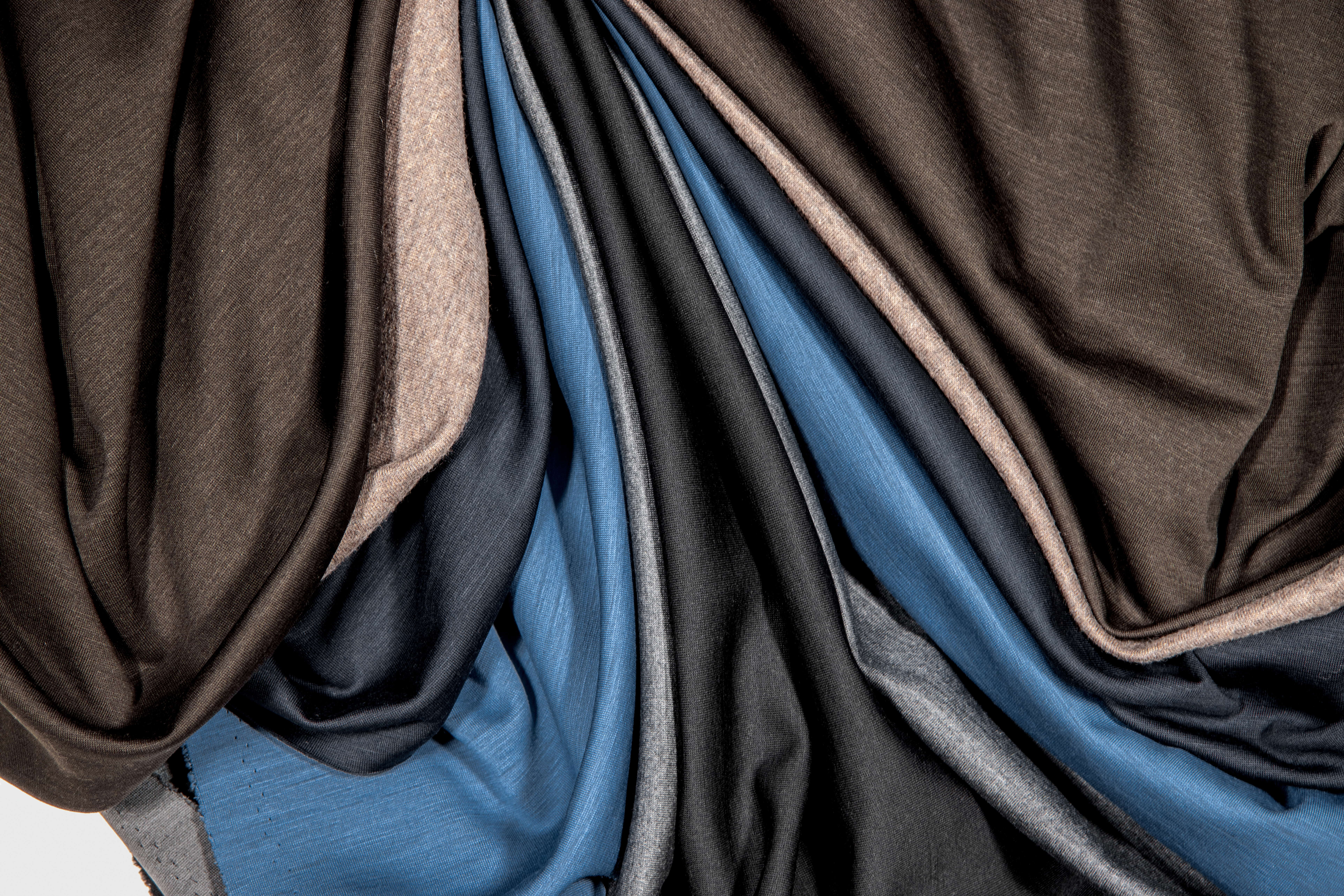
Fabric determines how a suit looks, how it feels and how it stands up to wear. The same cut can look very different depending on whether the material is smooth wool, rough linen, soft flannel or textured tweed.
Wool is the most versatile suit fabric
Wool breathes well, recovers from wrinkles and works in most situations. Lightweight wool suits warmer weather, midweight wool works year-round and flannel is best for cooler seasons.
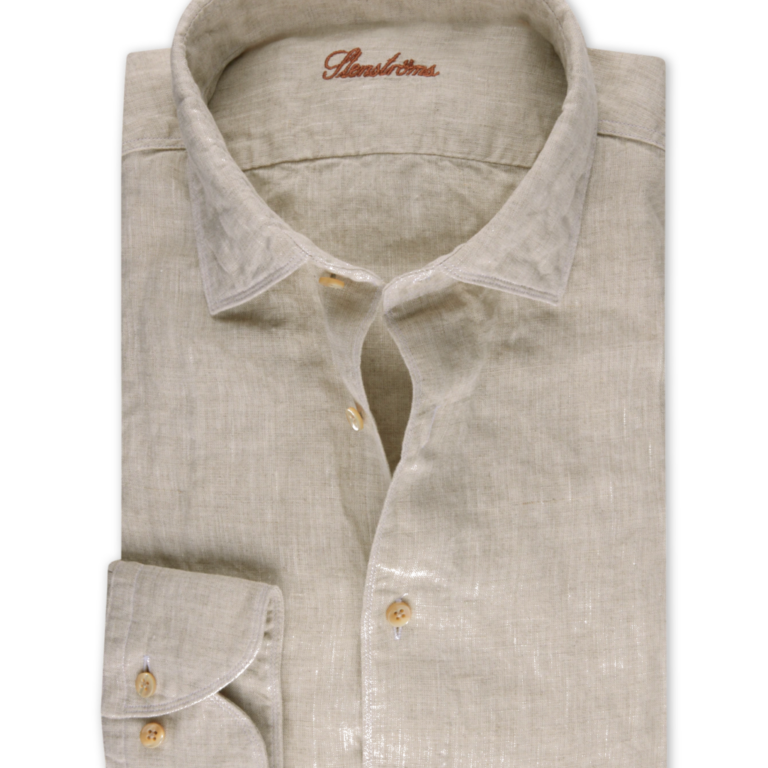
Linen is summery and relaxed
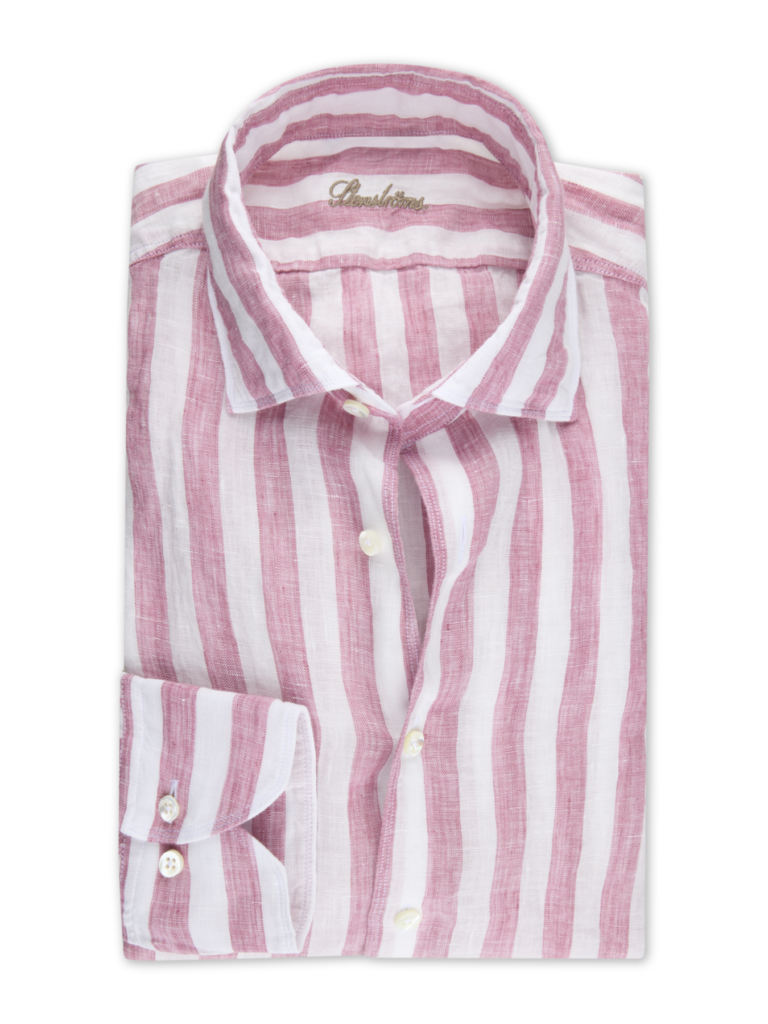
Linen breathes extremely well and looks natural at summer weddings, on holiday and in more relaxed dressing. Its characteristic is wrinkling: a linen suit is meant to look a little lived-in.
Cotton is a more relaxed option
A cotton suit often feels more casual than a wool suit. It suits chino-style outfits, summer use and situations where the suit may look less formal.
Tweed and flannel bring texture
Tweed is a rougher, warm option for autumn and winter. Flannel is a soft, matte and elegant fabric that works well in grey, brown and dark navy tones.
Blends can improve comfort
Wool-linen, wool-silk and wool-cotton blends can combine the strengths of different materials. For example, wool-linen can breathe well but wrinkle less than pure linen.
- Year-round suit: wool
- Summer wedding: linen or lightweight wool
- Autumn and winter: flannel or tweed
- More relaxed everyday wear: cotton or textured wool
- Travel: wrinkle-recovering wool or a blend